
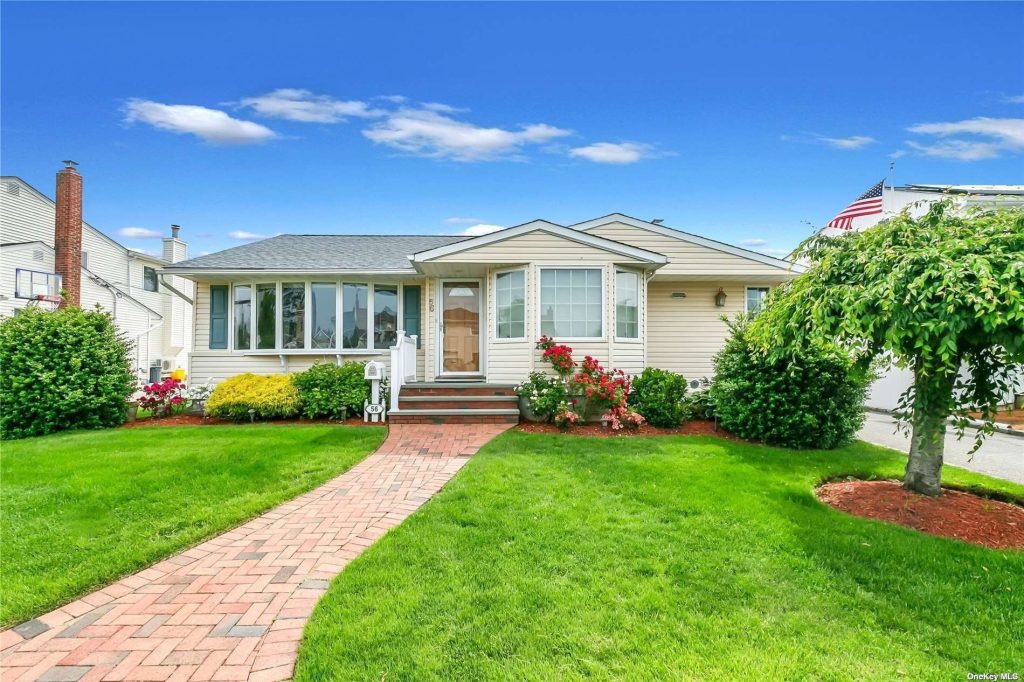
Home Painting in Long Beach, NY: The August Moisture Test
August seems like the perfect time to repaint a Long Beach home. The sun is shining, days are long, and all the exterior surfaces seem dry by mid-morning. But on a barrier island like Long Beach, appearance can be deceiving.
The most useful inspection may be as simple as stepping out of bed a little earlier than usual.
Getting outside around 7 a.m. can help you spot overnight condensation, slow-drying shaded areas, salt residue and moisture patterns that just disappear once the sun hits the siding. These conditions can make all the difference in whether a new coat of paint is going to bind properly or turn into a mess with blisters, peels or an uneven finish.
For homeowners in Long Beach thinking about painting in August 2026, this early-morning stroll is a basic reminder that can save you a lot of money down the road.
Why August Painting is a Whole Different Ball Game in Long Beach
Long Beach is no ordinary Nassau County community. It sits right on a barrier island, exposed to all the harsh forces of the ocean – wind, moisture, storms and the like.
The City of Long Beach notes that hurricane season is from June to November, and Long Island is especially at risk between August and October. Yeah, NOAA’s 2026 forecast says there’s a chance for a quieter season, but don’t count on it. A single storm can bring heavy rain and wind-driven moisture that will mess up your paint job.
And it’s not just about waiting for a clear day. Exterior paint needs more than just a single hour of dry weather. The siding, trim, railings and all the other surfaces have to stay dry enough so the new paint can stick and start curing right.
A sunny afternoon just can’t undo all the moisture that collected overnight or slipped into exposed wood in an earlier storm.
The 7 A.M. Coastal Paint Check
Before you start picking out colors or cracking open paint cans, take a walk around the house in the early morning. Pay special attention to the north side of the house, any walls that are in the shade, the lower siding courses, porch ceilings, deck railings and areas near plants.
Take a Look at Your Siding – Does it Feel Damp?
Maybe there are no visible droplets, but your siding might still feel a bit cool or damp. This is especially true in the morning, when dew is likely to collect on surfaces as the temperature drops.
Benjamin Moore and Sherwin-Williams, two paint makers, say that the surface temperature should be at least 5 degrees above the dew point when you’re painting outside. And what they’re saying is that starting too early can be a bad idea because the surface itself might still be holding onto moisture.
Wipe Down the Siding to See if You Need to Clean It
Take a dark, clean cloth and swipe it across a small section of siding or some trim. If you find yourself wiping away a chalky, dusty or slightly gritty residue, that’s a good sign the surface needs a good cleaning before painting.
In coastal areas, the residue can include normal dirt, old paint that needs to be stripped, and all sorts of material the ocean air carries in. Painting right over it will leave you with a weak layer between the new coat and the house.
Exterior paint makers will tell you over and over that their products need a clean, dry surface to stick to. A premium paint is no substitute for proper surface prep.
Check the Hard-to-Reach Edges of Your Home
Paint failures often start at the vulnerable edges of a wall, rather than the middle.
Look for problems at:
- The bottom edges of wood siding
- Window sills and any trim joints
- Porch posts near the ground
- Deck boards beneath planters
- Railings where horizontal and vertical pieces meet
- Areas behind downspouts
- Trim near rooflines and gutters
These locations are prone to trapping moisture or drying slowly. If your paint is already lifting, cracking or separating at the edge, putting on a fresh coat won’t fix the underlying issue.
Why “Dry to the Touch” Isn’t Enough
A homeowner might touch the siding at 10 a.m. only to find it’s dry, then figure it’s safe to start painting right away. But timing for painting also depends on what happens after the paint is on.
A fresh coat of paint needs some suitable drying time before the evening humidity, dew or rain hits. Sherwin-Williams warns against painting right after rain, in foggy conditions or when there’s a chance of rain. They also say that dew, high humidity and moisture right after application can be the cause of blisters and an uneven finish.
In Long Beach, your best painting window might be shorter than you think it should be.
A pro painter takes into account:
- The current air temperature
- The actual surface temperature
- The dew point
- The relative humidity
- How the sun is moving and how much shade is around
- Wind exposure
- Evening conditions
- How the specific product you’re using is supposed to be used
You need to make decisions based on the surface and the forecast, not just on what day it is.
The Mistake That Can Take Months to Show Up
One of the most frustrating things about doing exterior painting wrong is that the problems might not show up right away.
A freshly painted wall can look perfectly fine on the day the project is finished, but weeks or months later, the homeowner might spot bubbles, peeling edges, uneven sheen or areas where the old paint is separating from the new layer.The paint gets blamed first , but the truth is that the problem may have started with one of four very common issues :
The surface just isn’t dry yet
Condensation, a recent rain or moisture trapped inside porous materials may still be lurking just beneath that new coating.
They painted over the residue instead of fixing it
Dirt, chalking, or worn out old paint or even coastal deposits have prevented the new finish from sticking properly to a stable surface.
It was a bad idea to cover up the damaged paint without removing it first
Loose material continues to separate from the new coat, causing even more problems.
That gorgeous weather went south too fast
Dew or high humidity caught up with the coating before it had a chance to build up the right level of protection.
Moisture-related peeling and blistering are some pretty well-known coating problems. The paint manufacturers specifically advise against painting over surfaces that are still damp from the rain, condensation or dew.
August Is Really More of a Preparation Month than a Painting Month, though
The most valuable work that gets done in August happens before you ever even think about applying a finish coat.
For most homes in Long Beach, that means starting with washing the exterior surfaces, letting them dry completely, scraping off loose paint, feather-sanding those rough edges, taking care of any wood that’s started to deteriorate, priming exposed areas and sealing up any gaps that are letting water in.
And don’t even get me started on the order in which you do all that. Painting first and then trying to fix stuff later will just trap all the problems beneath a nice new coat of paint. Doing it right means exposing all the loose paint and bad wood – that’s not evidence of poor workmanship, it’s just proof that the coating is getting a solid foundation.
What About Interior Painting Near the Coast , then ?
The same moisture lesson applies indoors, especially in bathrooms, lower-level rooms, enclosed porches and spaces where you get condensation off the AC or water coming in because of previous flooding.
Paint is not going to fix a moisture problem. The EPA says that getting a handle on moisture is key to preventing mold and really recommends fixing the leak before you try to make things look nice again. And water-damaged materials need to get dried out ASAP.
Before you even think about repainting that stain or peeling area or that recurring discolored patch, figure out what caused it in the first place. Was it:
- A leak from the roof or a window ?
- Condensation around that AC unit ?
- A plumbing issue ?
- Wind-driven rain ?
- Poor bathroom ventilation ?
- Water coming in through the masonry ?
- A previous flooding event ?
A good stain-blocking primer might make the mark disappear, but it’s not going to fix the leak.
A Better Question to Ask than “Is August a Good Time to Paint?”
Homeowners often ask whether August is a good month to paint their houses in Long Beach.
Really, the more useful question to ask is:
Does the specific surface we’re looking at today have a safe preparation, application and drying window?
August can give you some good painting days – but it can also bring some pretty humid mornings, a hot sun, a sudden rain shower, and the beginning of the Long Island coast’s more vulnerable storm season.
It’s not the month that determines the result, though – it’s all about the surface condition, the prep work, the product selection and whether you can get the timing just right with the weather.
The Homeowner’s Five-Minute Morning Inspection
Before you even think about calling for an estimate or starting a do-it-yourself project, take a walk around the property early in the morning.
Run your hand over some shaded siding, wipe down the trim with a clean cloth, take a look under the railings and around the window sills, and snap some photos of any peeling, bubbling or discolored areas. And make a note of which walls are still damp when the others have dried.
That gives a painting contractor a whole lot more useful information than just “I like blue”. It also helps tell the difference between a simple repaint and a project that involves really getting a handle on some moisture issues, doing some carpentry or doing some more extensive surface repair.
The Final Takeaway
The biggest painting lesson Long Beach homeowners need to learn by August 2026 is pretty simple:
Don’t just judge your house by how it looks in the afternoon sun
Take a look at it early in the morning, when the moisture patterns are still visible. A successful coastal paint job starts with understanding what your house is dealing with at night – not just how it looks at lunchtime.
C.E.T. Painting handles residential interior and exterior painting for Long Beach and the surrounding Nassau County communities. Our process is all about detailed surface evaluation, proper protection, repairs, prep work and coating application based on what your property is really dealing with.