
November 11, 2026
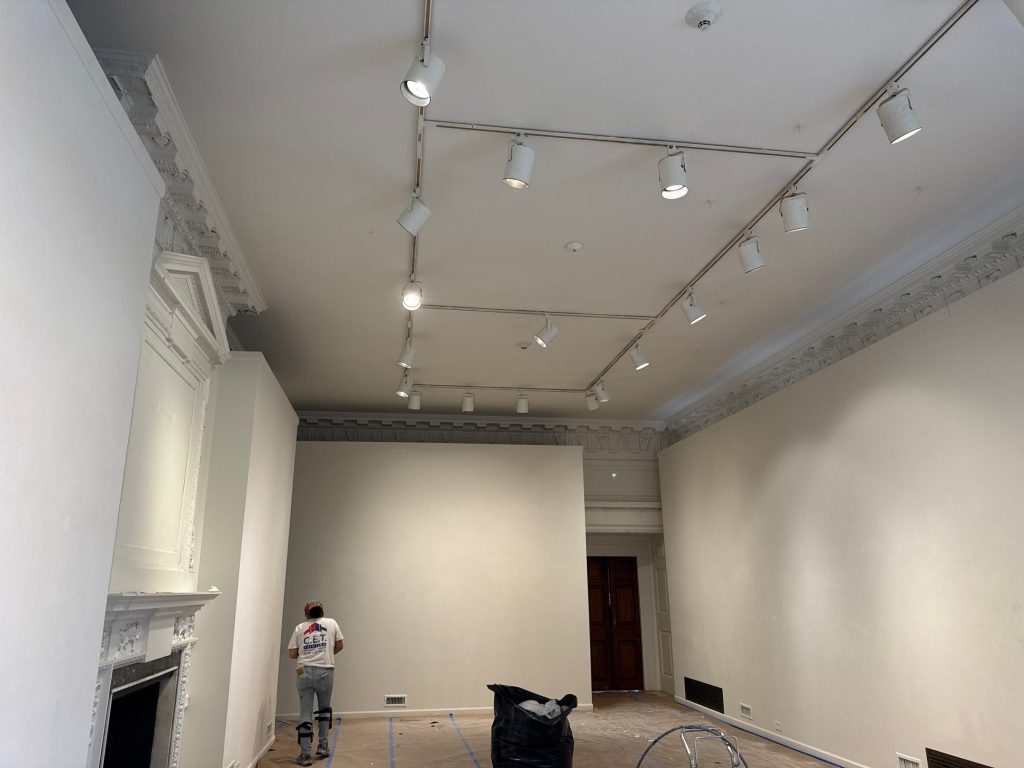
C.E.T. Painting provides professional commercial painting services in Westchester County, helping business owners, property managers, and facility managers plan and complete projects without shutting down daily operations. A fresh coat of paint can improve a commercial property’s appearance and create a more professional environment for employees, customers, tenants, and visitors, but organizing work in an active workplace means accounting for schedules, customer access, equipment, safety, and normal business activity.
The good news is that a commercial painting project does not always require closing your business or putting operations on hold. With proper planning, experienced contractors, clear communication, and a well-organized schedule, painting work can often be completed in phases while your business stays open, protecting the property, reducing interruptions, and keeping employees and customers safe.
In this guide, C.E.T. Painting explains how to plan a commercial painting project in Westchester County with minimal disruption, including scheduling the work, dividing the project into manageable areas, choosing the right contractor and paints, preparing the workplace, maintaining safety and communication, and handling the final inspection.
Why Planning Is Important for Commercial Painting Projects
Commercial painting involves more than applying paint to walls and ceilings. Depending on the property, the project may include offices, hallways, reception areas, conference rooms, retail spaces, stairwells, and exterior surfaces.
Poor planning can result in blocked walkways, restricted access, workplace inconvenience, and unnecessary delays.
A well-planned project helps businesses:
- Maintain normal operations whenever possible.
- Reduce interruptions for employees and customers.
- Protect furniture, equipment, and valuable property.
- Coordinate contractors around business hours.
- Manage project costs and timelines.
- Maintain a clean and organized workplace.
The goal is to complete the painting work efficiently without compromising the quality of the finished result or the safety of building occupants.
7 Steps to Plan a Commercial Painting Project Without Disruptions
1. Schedule the Painting Project Around Business Operations
Scheduling is one of the most important parts of a successful commercial painting project.
Before work begins, identify the busiest operating hours, important business activities, employee schedules, and areas that cannot be closed during normal operations.
For example, an office may have fewer employees on weekends, while a retail business may prefer painting after closing hours; flexible scheduling helps minimize disruption to business operations.
Discuss scheduling options with your painting contractor, and work closely to plan commercial painting services during off-peak hours when needed, including:
- Evening and overnight work.
- Weekend painting schedules.
- Holiday or seasonal shutdown periods.
- Early morning work before employees arrive.
- Phased painting during regular operating hours.
The right schedule depends on your business type, building access, contractor availability, and the scope of work.
2. Divide the Building Into Smaller Work Areas
Painting an entire commercial property at once can create unnecessary disruption.
A better approach is to divide the project into manageable sections.
For example, an office building might be painted one department at a time. Reception areas, conference rooms, hallways, and private offices can each be scheduled separately.
This phased approach offers several advantages:
- Employees can continue working in unaffected areas.
- Customers and visitors can access essential spaces.
- Furniture and equipment can be moved gradually.
- Contractors can focus on one designated work area.
- Building managers can monitor progress more easily.
Before each phase begins, communicate which areas will temporarily be unavailable and provide alternative routes when necessary.
3. Choose Experienced Commercial Painting Contractors
Working with experienced commercial painters is essential when painting an occupied commercial property.
Commercial environments often require more coordination than residential painting projects. Contractors need to understand building access, workplace safety, scheduling requirements, and the importance of maintaining clean work areas for clients while keeping the project aligned with expectations.
When choosing commercial painting services, look for a contractor who can:
- Evaluate the property’s painting requirements.
- Recommend suitable commercial paint products.
- Develop a realistic project schedule.
- Coordinate work around business activities.
- Protect furniture, flooring, and equipment.
- Maintain organized and clean work areas.
- Use specialized equipment and techniques to complete commercial work efficiently.
- Execute the project to meet local codes and standards.
- Communicate progress and potential delays.
Ask about experience with occupied commercial buildings, verify liability insurance and workers’ compensation coverage, and make sure the team has a plan to minimize disruptions; C.E.T. Painting brings over 18 years of experience to occupied commercial projects.
4. Prepare the Workplace Before Painting Begins
Proper preparation helps painting projects move more smoothly.
Before the crew arrives, identify the furniture, equipment, electronics, documents, and other items that need protection.
Depending on the area being painted, preparation may include:
- Moving furniture away from walls.
- Covering desks, computers, and equipment.
- Protecting floors with appropriate coverings.
- Removing wall decorations and artwork.
- Securing confidential documents.
- Identifying electrical outlets and sensitive equipment.
- Providing clear access to designated work areas.
The painting contractor should also establish appropriate barriers and protect nearby surfaces.
Good preparation reduces the likelihood of accidental damage and helps the crew work more efficiently.
5. Select Appropriate Paint Products
Choosing the right paint is important for both appearance and workplace convenience.
Commercial properties often experience more daily wear than residential spaces. Hallways, reception areas, conference rooms, and common spaces may require durable finishes that can withstand frequent cleaning.
Consider the following when selecting paint:
Durability: High-traffic areas benefit from suitable washable and durable coatings. Professional painters often recommend commercial-grade paints based on the project’s specific needs.
Finish: Eggshell, satin, and semi-gloss finishes may be appropriate for different commercial applications, depending on appearance and cleaning requirements.
Odor and emissions: Low-VOC or zero-VOC products can help reduce certain paint emissions, although they do not eliminate the need for proper ventilation. Low-VOC paint formulations may also help improve indoor air quality.
Surface compatibility: Different materials may require specific primers and coatings.
Discuss product selection with your contractor to ensure the chosen materials meet the building’s requirements and the manufacturer’s application specifications. Specialty coatings may also provide added protection and longer service life on some surfaces.
6. Establish Workplace Safety and Communication Procedures
Safety should always be a priority during commercial painting projects.
Painting areas may involve ladders, equipment, wet floors, tools, and temporary access restrictions. These conditions need to be managed carefully in occupied buildings.
Before work begins, establish:
- Clearly marked work areas.
- Safe alternative walking routes.
- Restricted access to active painting zones.
- Appropriate barriers and warning signs.
- Procedures for protecting employees and visitors.
- Coordination with building management and security.
Communication is equally important.
Inform employees, tenants, customers, and visitors about upcoming work. Provide advance notice of temporary closures, changes to entrances, and areas that may be unavailable.
A simple communication plan helps prevent confusion and makes the project easier to manage.
7. Conduct Final Inspections Before Reopening Work Areas
Before returning a painted area to normal use, inspect the completed work.
Check for:
- Consistent paint coverage.
- Clean edges and trim.
- Properly finished corners.
- Complete removal of protective coverings.
- Clean floors and surrounding surfaces.
- Removal of tools and equipment.
- Safe access through the area.
Also confirm that the paint has reached the appropriate stage of drying for the space to be safely reoccupied.
Follow the manufacturer’s guidance for drying, ventilation, and occupancy. Dry-to-touch does not necessarily mean fully cured.
A final walkthrough with the contractor helps identify any touch-ups or corrections before the project is considered complete.
How Professional Commercial Painting Services Help Reduce Downtime
Hiring an experienced commercial painting contractor can make a significant difference when managing a painting project in an active workplace.
Professional contractors can help coordinate work areas, recommend appropriate coatings, organize surface preparation, and develop a schedule that accommodates business requirements. Ongoing maintenance programs can also help businesses keep painted properties in good condition over time, and timely painting and upkeep may reduce long-term maintenance costs.
They can also identify potential challenges before painting begins, including difficult access areas, damaged surfaces, and spaces that require additional preparation.
For larger commercial properties, completing the work in phases may allow employees and customers to continue using unaffected areas, which is especially helpful on commercial projects. This approach can also support efficient work and outstanding results while limiting disruption.
At C.E.T. Painting, careful preparation, attention to detail, and organized project execution are important parts of delivering professional painting results.
Whether you manage an office, retail space, commercial property, or another business facility, working with an experienced painting contractor can help make your next painting project more manageable.
Frequently Asked Questions About Commercial Painting Projects
Can a business remain open during a commercial painting project?
Yes. Many businesses can remain open when painting work is properly scheduled and divided into manageable sections. The arrangement depends on the project scope, safety requirements, ventilation, and building layout.
How can commercial painting contractors minimize business interruptions?
Contractors can schedule commercial painting services during off-peak hours, including evenings and weekends, to minimize disruption, then determine the best approach for the site, paint one section at a time, protect furniture and equipment, establish restricted work areas, and communicate schedules with building management.
Is it better to paint a commercial building at night or during the day?
It depends on the business. Night or weekend painting may reduce interruptions in busy workplaces, while phased daytime work can be suitable for buildings with enough space to maintain normal operations.
What type of paint is best for commercial buildings?
The best paint depends on the surface, room usage, cleaning requirements, environmental conditions, and, in Westchester County, NY, local climate conditions. Durable interior coatings are often suitable for high-traffic areas, while exterior surfaces require weather-resistant products chosen with regional expertise, since Westchester’s four distinct seasons and exposure to snow, ice, rain, and humidity make specialized paints important for durability.
How long does a commercial painting project take?
The timeline depends on the building’s size, surface condition, preparation requirements, number of areas, and project schedule. After inspecting the property, a contractor can provide a more accurate estimate, and a free quote should outline labor, materials, and the projected timeline.
Should employees be informed before commercial painting begins?
Yes. Advance communication helps employees understand the project schedule, temporary access restrictions, safety procedures, and any changes to their usual workspace.
Final Thoughts: Plan Your Commercial Painting Project the Right Way
A commercial painting project does not have to bring business operations to a standstill. Commercial painting services include interior and exterior painting for office buildings, retail stores, restaurants, multifamily properties, common areas, and exteriors. With careful scheduling, phased work areas, proper preparation, suitable paint products, and clear communication, many businesses can continue operating throughout the painting process.
The key is to work with an experienced contractor who understands the needs of commercial properties and can organize the project around your operational requirements. A visit to the site also helps define scope, timing, and an approach that limits disruption.
If your office, retail space, or commercial property needs a fresh appearance, C.E.T. Painting can help you plan your next project with professional attention to preparation, workmanship, and scheduling. For customer-facing spaces, the right finishes can support an inviting atmosphere. Exterior painting also helps protect commercial buildings from weather exposure and can improve curb appeal.