
October 15, 2026
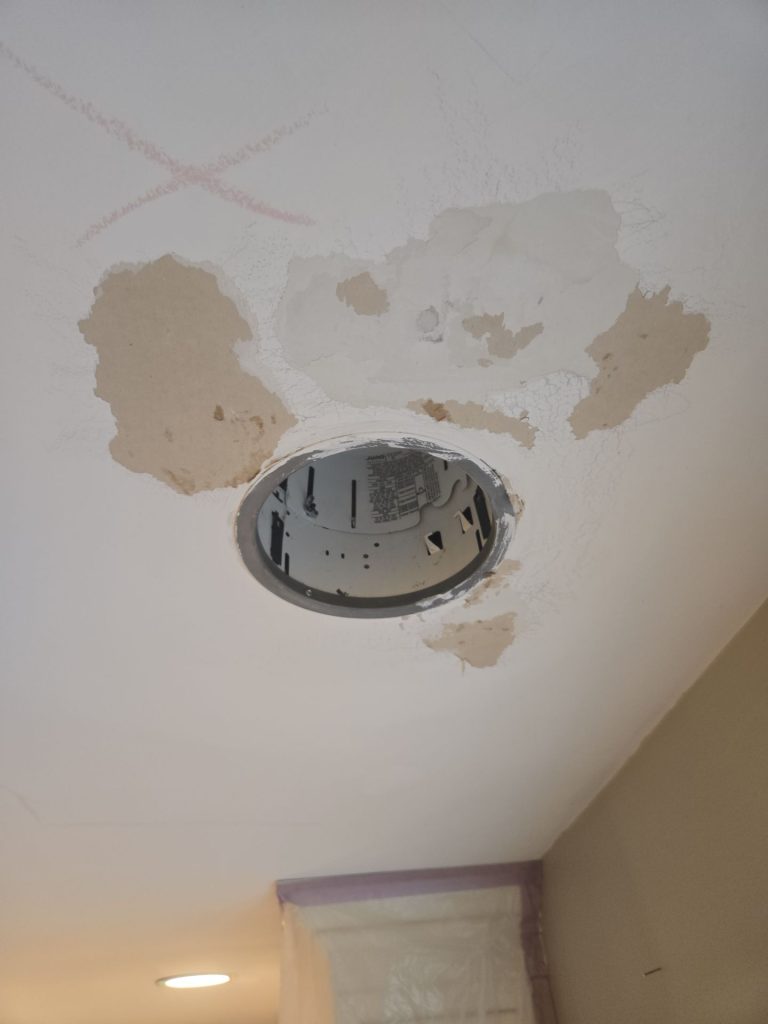
Peeling paint is more than a cosmetic problem. It can make walls, ceilings, trim, and exterior siding look neglected while potentially indicating moisture problems or poor surface preparation underneath.
If you’re wondering, “Why is my paint peeling?” the answer usually involves one or more factors: moisture, inadequate preparation, incompatible paint products, poor application conditions, or the natural deterioration of an aging coating.
For homeowners in Westchester County, New York, seasonal weather changes, humidity, rain, snow, and freezing temperatures can put additional stress on exterior paint. Indoor peeling can also occur in bathrooms, kitchens, basements, and other areas exposed to moisture.
The good news is that peeling paint can often be repaired. However, the key to a lasting result is identifying and correcting the underlying cause before applying new paint.
In this guide, CET Painting explains what causes paint to peel, how to fix peeling paint, and how to prevent the problem from returning.
What Causes Paint to Peel?
Understanding the cause is the first step toward choosing the right repair.
1. Moisture Behind the Paint
Moisture is one of the most common reasons paint loses its adhesion. Water can enter through roof leaks, damaged siding, plumbing problems, poorly sealed windows, or cracks in exterior walls. Indoor humidity and condensation can also contribute.
When moisture accumulates beneath a painted surface, it can cause bubbling, blistering, cracking, and eventually peeling.
In Westchester County, inspect exterior walls after periods of heavy rain and snow. Inside the home, pay particular attention to bathrooms, basements, kitchens, and ceilings beneath plumbing or roof areas.
How to fix it: Identify and correct the water source before repairing the paint. Allow the surface to dry completely, remove loose paint, repair damaged material, and apply an appropriate primer and finish. Persistent dampness may require professional moisture assessment.
2. Poor Surface Preparation
Paint needs a clean, sound surface to adhere properly. Dust, grease, chalky residue, mildew, loose paint, a glossy surface, and other contaminants can interfere with adhesion.
Applying new paint over a deteriorating coating without removing loose material often leads to another round of peeling.
How to fix it: Scrape away loose paint, clean the surface using a suitable method, sand rough edges where appropriate, scuff-sand glossy surfaces to improve grip, and repair holes or damaged areas. Once the surface is clean and dry, apply the correct primer before repainting when required.
Proper preparation is especially important when repainting older homes or exterior wood surfaces.
3. Applying Paint Under the Wrong Conditions
Temperature, humidity, and drying time can affect how paint adheres and cures. Paint can fail when you apply paint outside the manufacturer’s recommended conditions.
Exterior paint applied before rain, on a wet or damp surface, or during unsuitable temperatures may fail prematurely. Indoors, excessive humidity or inadequate ventilation can slow drying.
How to fix it: Check the paint manufacturer’s application instructions. Confirm that surface temperatures, air temperatures, humidity, and weather conditions are appropriate. Allow sufficient drying time between coats and enough time for them to dry before overnight temperature drops or moisture exposure.
4. Using Incompatible Paint Products
Some incompatible paint types do not adhere well to certain existing finishes, particularly when the surface has not been properly prepared or primed. Applying a new coating over a glossy or contaminated surface can also cause adhesion problems. Oil-based paints form a less permeable film than water-based paints, while acrylic latex paints breathe better than oil-based paints.
How to fix it: Identify the existing coating when possible, test the existing paint when needed before choosing a compatible system, prepare the surface correctly, and choose a compatible primer and latex paint system. When the existing finish is unknown or extensive failure has occurred, consult a professional painter.
5. Aging Paint and Normal Wear
Even well-applied paint eventually weakens, and lower-quality or aging paint can fail sooner because it contains less binder, which reduces adhesion strength. Sunlight, rain, temperature fluctuations, everyday contact, and repeated cleaning can also wear coatings down over a few years.
Exterior trim and siding exposed to strong sunlight or persistent moisture may show deterioration sooner than protected surfaces.
How to fix it: Inspect the coating, remove loose or failing paint, make necessary repairs, and repaint with products suitable for the surface and exposure conditions, including high quality paint for better long-term durability.
How to Fix Peeling Paint Step by Step
If you’re researching how to fix peeling paint, follow a process that addresses both the visible damage and the underlying cause.
- Identify the cause. Check for leaks, condensation, dampness, damaged siding, or signs of poor adhesion. Correct moisture problems before repainting.
- Protect the area. Cover nearby furniture, flooring, landscaping, and fixtures as appropriate. Use suitable personal protective equipment during preparation.
- Remove loose paint. Scrape away paint that is no longer firmly attached, using a putty knife where appropriate to lift soft or bubbling sections cleanly. Avoid damaging the underlying surface, and feather the edges of the remaining coating where appropriate.
- Clean and repair the surface. Remove dirt, debris, and other contaminants. Repair damaged drywall, wood, plaster, or other substrates using suitable materials, and patch cracks or holes with filler, let it dry, then sand it smooth.
- Sand and prime. Once the surface is sound and dry, smooth rough edges where appropriate and make sure the underlying surface cleaned and dried is primed with a compatible product; use a stain-blocking primer for moisture-damaged areas. Follow product instructions and allow adequate drying time.
- Apply the finish paint. Use a coating suitable for the surface and location. Apply two coats only after any loose paint has been fully removed, and when appropriate for the surface, use two thin coats of high-quality acrylic paint while observing the specified drying times.
- Inspect the finished work. Check that the surface is evenly covered and that the surrounding coating remains firmly attached. Test adhesion around peeled areas near the repair to confirm nearby paint is still sound.
Important safety note: Homes built before 1978 may contain lead-based paint. Scraping or sanding old paint can release hazardous dust. Before disturbing older coatings, follow applicable lead-safe practices and consult an appropriately certified professional when required. Never dry-sand or scrape suspected lead paint without proper precautions.
How to Prevent Paint From Peeling
Preventing peeling paint starts before the first coat is applied, and proper surface preparation is one of the best ways to prevent peeling. A high-quality finish depends on proper preparation, suitable products, and ongoing maintenance.
- Control moisture: Repair plumbing leaks, roof damage, failed caulking, and water intrusion promptly, and improve ventilation to reduce interior moisture problems.
- Prepare surfaces properly: Complete the necessary prep work by removing loose paint, cleaning contaminants, repairing damaged areas, and priming as needed; primer improves adhesion only when the surface is clean, sound, and dry.
- Choose appropriate paint: Select products designed for the specific surface and interior or exterior conditions, since a new coat will not last over unstable surfaces.
- Follow application instructions: Observe temperature limits, humidity recommendations, coverage rates, and drying times.
- Maintain exterior surfaces: Inspect siding, trim, windows, and caulking for deterioration, particularly after harsh weather.
- Address small problems early: Repair minor bubbling, cracking, or peeling before the damaged area expands, since proper preparation helps prevent peeling.
For additional guidance, explore CET Painting’s [surface preparation services], [residential painting services], and [painting maintenance services]. Add the corresponding links to the existing pages on your website before publishing.
Why Paint Peeling Is a Concern for Westchester County Homeowners
Homes in Westchester County experience changing weather throughout the year. Rain, snow, freezing temperatures, humidity, and summer sun can all affect exterior paint and the materials beneath it.
Wood siding and trim may be vulnerable to moisture-related deterioration, while exposed exterior surfaces can experience fading and coating breakdown. Indoors, bathrooms, basements, kitchens, and laundry rooms may develop peeling where ventilation is inadequate or moisture problems remain unresolved. In high moisture areas, exhaust fans help remove humid air before it becomes trapped behind paint.
Homeowners in White Plains, Scarsdale, Yonkers, New Rochelle, Rye, and surrounding Westchester communities should inspect painted surfaces periodically and investigate unexplained bubbling or peeling rather than simply covering it with another coat.
Older properties may require additional attention to existing coatings, wood condition, and lead-safe preparation practices. A professional assessment can help determine whether the problem is limited to the paint or involves a more extensive surface or moisture issue. In heavily insulated, sealed homes, proper ventilation may require wall vents, roof vents, or open windows, and that often resolves most interior moisture problems when indoor humidity—not a leak—is the cause.
When Should You Hire a Professional Painter?
Small areas of peeling paint may be manageable as a DIY project when the cause is understood and the underlying surface is sound.
Professional help is advisable when peeling affects large areas, repeatedly returns after repainting, involves high ceilings or difficult exterior access, or appears alongside water stains, soft wood, damaged plaster, or suspected lead-based paint.
A professional painting contractor can evaluate the surface, recommend suitable preparation and primers, and explain which repairs are necessary before repainting.
CET Painting helps homeowners understand their painting needs and the importance of proper preparation for a durable finish. Before hiring a contractor, request a written estimate that explains the preparation work, repairs, primer, finish coats, and cleanup included in the project.
Frequently Asked Questions About Peeling Paint
Why is my paint peeling even after repainting?
Paint may peel again when paint adhesion fails because moisture remains, loose material was left in place, prep was inadequate, the surface was contaminated, or the new products were incompatible. Correct the underlying cause before applying another coat.
Can I paint over peeling paint?
No. A new coat over peeling paint usually fails because the loose existing layers remain unstable, and in some cases failure runs through multiple layers. Remove failing material; primer over unstable paint will fail too, so extra primer or two coats of primer cannot solve the problem until the loose paint is removed. Prepare the surface, correct moisture issues, and prime as needed before repainting.
Does humidity cause paint to peel?
Yes. Excessive moisture and condensation are the most common cause of interior peeling in humid rooms, especially in bathrooms, kitchens, basements, and poorly ventilated spaces. These areas need proper ventilation to control humidity, and persistent moisture should be addressed before repainting.
How do I stop exterior paint from peeling?
Identify water intrusion and repair damaged siding or trim, because exterior paint fails when moisture problems or poor surface preparation are left uncorrected. Remove loose paint, scrape and sand thoroughly, prime any bare wood properly before repainting, and apply an exterior coating suitable for the substrate and weather conditions.
How much does peeling paint repair cost?
Costs depend on the affected area, surface damage, accessibility, moisture repairs, preparation requirements, and paint products. A small repair may be relatively inexpensive, while widespread peeling or damaged wood can require a larger project and a detailed estimate.
Get Help With Peeling Paint in Westchester County, NY
Peeling paint is often a sign that a surface needs more than a fresh coat. CET Painting can help fix paint peeling by identifying the cause before repainting, since recurring peeling often points to poor preparation or trapped moisture rather than just a surface-level issue.
If paint is peeling inside or outside your Westchester County property, CET Painting can help you explore the appropriate next steps for your painting project.
Contact CET Painting to discuss your home’s painting needs and request an estimate.