
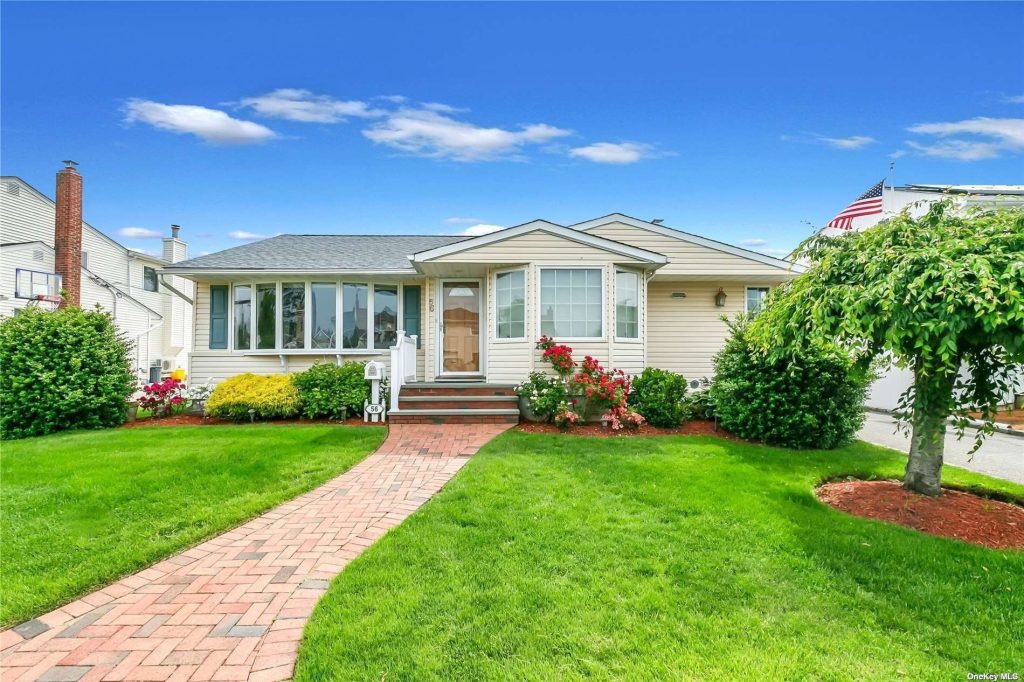
House Painting Clarkstown NY: A July Surface Prep Lesson
Project Location: Clarkstown, New York
Project Type: Residential House Painting
A Real Wake-Up Call: Why house painting doesn’t just about slapping on some new paint – it’s about getting the surface right first
Date: July 9, 2025
Service Area: Clarkstown and Rockland County, NY
By this time of year, many Clarkstown homeowners are already thinking:
Time to slap on some fresh paint.
And every now and then, that’s exactly what’s needed.
But our recent house painting project in Clarkstown, New York was a reminder that a faded exterior is often a result of all sorts of things combining – weather damage, airborne dirt, pollen residue, mildew, chalking, and just plain old moisture exposure.
The key thing to keep in mind here is that a fresh coat of paint won’t magically fix a surface that’s all messed up.
It’ll just cover it up temporarily.
What that means is, before even thinking about what color to go for, we need to figure out what’s already sitting on the surface.
Why July 9 Is an Important Part of Clarkstown’s Painting Season
By early July, homes throughout Clarkstown have already been through a whole lot – winter’s gone, spring rain has come and gone, pollen and tree debris are everywhere, and humidity is on the rise.
Add to that, the longer summer days are exposing some parts of the house to a lot more sun than others.
By this point in the year, the siding and trim can be carrying a surprising amount of dirt and grime, even if the house doesn’t look too dirty from the street.
That’s why July can be a great time to paint – but only if you take the surface preparation seriously.
The Clarkstown Challenge: A Clean House and Dirty Surface
Clarkstown’s got a lot going for it – mature trees, landscaped yards, and plenty of shaded property lines.
But that’s also the problem for painters.
The shady side of the house is a whole different world from the sunniest side.
You might notice:
- faint green or dark discoloration on shaded siding,
- dirt collecting under soffits,
- residue around window trim,
- staining from shrubs and trees,
- faded or chalky surfaces on sun-facing elevations,
- much cleaner-looking sections right beside heavily weathered ones.
The problem is that people assume they can just paint over all the dirt and grime without doing any real cleaning or prep work.
They can’t.
Our Teaching Moment: Paint Needs to Stick to the House, Not the Dirt
When you’re painting the outside of a house, it’s all about adhesion.
New paint needs a clean, stable, dry surface to work on.
If the surface is all clogged up with dirt, loose chalk, mold, failing paint, or other gunk, the new paint is going to stick to that instead of the actual substrate.
Think of it this way: would you stick a piece of tape to a dusty wall and expect it to hold?
Paint is a whole lot more sophisticated than tape, but the principle is the same.
A good coating will only perform well if the surface is clean and properly prepared.
That’s why preparation is not just an aesthetic step – it’s actually part of the paint system itself.
The Problem That Looks Like Faded Paint But Is Really Chalking
One of the sneakiest issues around this time of year is chalking.
Older exterior coatings can just break down over time from all the sun and weather exposure, and you get this fine, powdery residue building up.
From a distance, the siding may just look faded.
But when you rub your hand across it, you might find a powder-like substance.
Putting fresh paint right over a super chalked up surface is going to compromise adhesion.
The better approach is to identify the problem first, and then prepare the surface properly.
That’s why professional painters always do a bit of inspecting before deciding how to paint the house.
Pollen Season Still Causes Problem Even After Spring
And then there’s pollen.
Even though spring is over, the spring pollen can still be causing problems all over the exterior of the house.
Add to that, the dust, the tree debris, the humidity, and the occasional rain, and you get a stubborn residue.
Sometimes you don’t even see any of it until you actually start cleaning.
That’s why exterior prep work can’t just be based on what the siding looks like from the street.
A house can look perfect from the driveway but still need a whole lot of work before it’s ready for painting.
Why Shade Deserves Special Attention in Clarkstown
Another thing we learned from painting in Clarkstown is that shady areas get their own special set of problems.
A house with a lot of mature trees will often have a northern exposure that gets a lot less direct sun than the rest of the house.
That means moisture can just sit there longer after rain or morning dew.
It can also make organic staining more noticeable.
Meanwhile, the sunnier side of the house has its own problems – UV exposure and accelerated fading from the sun.
We can’t stress enough just how important surface preparation is before even thinking about painting the house.So when we check out a house we’re not really looking at just one exterior.
We’re seeing several environments all connected to the same building.
The sunny side of the house may need some TLC for:
fading paint, chalking, flaking paint, and dried out sealant.
The shaded side of the house may need some attention for:
moisture stains, built-up gunk, paint that’s drying slower than it should, and just plain dirt accumulating.
That’s why a solid painting plan should take each area into account – rather than treating the whole house the same way.
Cleaning’s Important – But Don’t Get Too Heavy-Handed
Homeowners sometimes figure that if some cleaning is needed, then just whacking it with a high power pressure washer will get the job done.
Not necessarily though.
Exterior cleaning’s about getting rid of dirt and grime without wrecking the surface underneath.
Too much pressure can actually cause its own problems depending on the siding, the wood, the trim, the caulking, or other materials.
The point isn’t to go to war on the house.
It’s to get it ready for painting.
That might involve some washing, scraping off what’s loose, sanding where it’s needed, fixing small defects, letting surfaces dry, and priming over spots that are exposed or in bad shape before you put on the final coats.
The prep work needs to be tailored to the material.
The 24 Hour Rule: Painting Too Soon After Cleaning
There’s another summer painting mistake that homeowners often make.
As soon as a house has been cleaned, everyone wants to rush on over to the fun stuff – applying the new paint.
But here’s the thing: cleaning the house introduces a bunch of moisture.
And moisture needs time to dry off.
How long that takes depends on a whole bunch of factors – like the temperature, the humidity, the sun exposure, the amount of shade, the air movement, the material you’re painting, and just how wet the surface got during cleaning.
One house in a shaded area surrounded by landscaping might dry out a lot slower than a sunny front wall that’s exposed to the open road.
That’s another reason why experienced painters work to the conditions of the site rather than some rigid schedule.
A Five Minute Clarkstown Homeowner Test
If you’re thinking about getting your house painted this July, take a walk around the place before you call a contractor.
Don’t focus on picking a new color yet.
Instead, have a look at the condition of the house.
Run your hand lightly over an inconspicuous bit of paint. Does powder come off easily onto your fingers?
Take a look under the gutters and the soffits.
Inspect the shaded side of the house.
Look near the bushes and the landscaping.
Check the trim around the windows and doors.
Look for where different materials meet.
Check for peeling, cracking, staining, failed caulk, or exposed wood – or areas that are just darker than the rest of the surface.
You don’t have to be an expert to figure all that out.
The point is just to realize that painting starts with inspection, not with cracking open the paint can.
Why Getting the Prep Right Can Take Longer Than You Expect
Homeowners often wonder why a professional painting estimate includes so much time for prep work before the paint even starts going on.
This recent project in Clarkstown shows exactly why that is.
The finished paint job is what everyone sees.
But the durability of that finish depends on a whole bunch of work that eventually becomes invisible.
Cleaning work disappears under the paint.
Repairs disappear.
Sanding work disappears.
Priming work disappears.
Caulking becomes part of the finished surface.
That invisible work is what separates a hasty repaint from a properly done painting job.
Don’t Assume Paint Can Fix Everything
Another important lesson is knowing when paint just isn’t the right answer.
If a painter comes across some deteriorated material, persistent moisture, damaged wood, or failed joints – then just slapping some paint over it is not going to fix the problem.
Paint protects and beautifies a properly prepared surface.
It is not a substitute for getting all the underlying issues sorted out.
A good painting contractor should be willing to point out the areas that need some extra work rather than just covering them up.
That conversation may not be as exciting as picking a new color, but it can save a homeowner from having to repaint the same problem again later.
What Our Clarkstown Project Taught Us
Our recent house painting project in Clarkstown reinforced something that experienced painters learn over and over again:
The quality of the paint job is often decided long before the first finish coat is applied.
The homeowner gets to see the finished color.
The painter needs to see what’s underneath it.
That means noticing the powdery siding.
The shaded section that needs a bit more cleaning.
The small area of failed paint around a window.
The joint that needs some attention.
The surface that’s not quite dry yet.
All these small decisions collectively determine how well the finished project turns out.
July’s a Great Time to Paint – If You Don’t Get Too Hasty
The long days of July can make for excellent opportunities for residential painting right here in Clarkstown and Rockland County.
But summer weather shouldn’t become an excuse to rush.
A perfect 80 degree day doesn’t make dirt disappear.
Sunshine doesn’t fix peeling paint.
Fresh color doesn’t fix a surface that’s not been properly prepared.
The smartest summer painting project is the one where you slow down enough to figure out what the house actually needs.
And sometimes that means spending a lot more time getting the prep work right than homeowners expect.
Getting the Measure of House Painting in Clarkstown, New York?
If your Clarkstown home is starting to show its age – with fading and peeling paint, a coating of chalk, unsightly stains, or just looks a little worse for wear, worn out trim included, then summer is a pretty great time to sort it out.
Before you even think about choosing a new colour though, you really do need to have the exterior looked at properly.
A good painter should be able to tell you exactly how they plan to get your house ready for painting – not just which paint they’re going to be slapping on the wall.
That’s really the easiest way to tell whether you’re getting a proper paint job, or just a quick cover-up.
For top-notch house painting in Clarkstown, give us a call to arrange an estimate and have someone take a look at your exterior.
We’re proud to serve homeowners all over Clarkstown and the surrounding Rockland County.