
September 28, 2026
Commercial painting in Manhattan, NY often comes down to one requirement: complete the work fast, quietly, and without disrupting daily operations. This case study follows an interior commercial painting project at a busy, guest-facing Hilton property in Manhattan, showing commercial property managers and other decision-makers how the job was planned and completed while the hotel remained fully operational.
Inside, you’ll see the project challenges, scheduling approach, surface preparation, paint finishes, and on-site execution that made the refresh possible without interfering with guests. For Manhattan properties where appearance, customer experience, and business continuity all matter at once, that balance is what makes a commercial painting project successful.
At A Glance
| Location | Manhattan, Ny |
| Property Type | Hotel |
| Service Type | Interior Painting |
| Areas Painted | Hallways, Stairways, Conference Rooms, Bathrooms, etc.. |
| Work Schedule | Evenings |
| Timeline | A Month |
| Investment | ~ $160k |
About the Staten Island Property
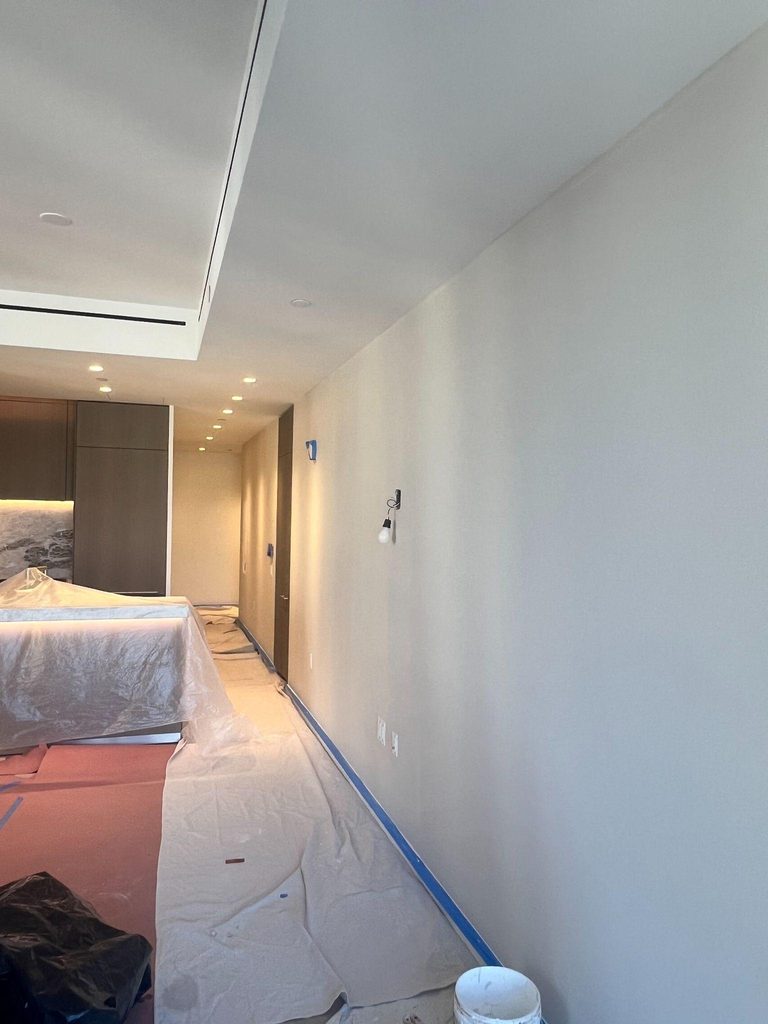
The Hilton Grand Vacations Hotel is a destination where guests can relax, unwind, and enjoy a variety of activities throughout their stay. The property is designed to provide a comfortable, welcoming environment that feels like a home away from home, while maintaining a clean, polished, and well-organized appearance.
As a globally recognized hospitality brand, Hilton has established a reputation for professional service and a strong focus on the guest experience. To support these standards throughout the project, our team maintained close communication with the property manager and carefully coordinated the work to minimize disruptions. This allowed the project to move forward efficiently while ensuring that guests could continue to enjoy the property throughout the process.
Commercial Painting Project Challenge
The biggest challenge of this project was completing the work while keeping noise to a minimum and limiting disruption for hotel guests. In occupied properties, that also means asking how contractors will control odors and dust during the project so guests can relax and enjoy their stay without unnecessary interruptions.
Understanding Hilton’s emphasis on quality service and guest experience, our crew made adjustments to their usual work routine to accommodate the property’s needs. Our team typically enjoys listening to music while working, as it helps keep everyone energized and motivated throughout the day. However, for this project, the crew chose to work without music to maintain a quieter environment and minimize disturbances for guests. This small adjustment reflected our commitment to respecting the property, its guests, and the standards expected in a hospitality environment.
Finding the Guide
The connection between the property and C.E.T. began through a shared professional networking group, where the property manager and our team had already established a connection. This relationship provided an opportunity for the property manager to learn more about C.E.T. and our experience in commercial projects.
What helped earn the client’s trust when hiring was our ability to demonstrate that we understand the unique demands of working in an active, guest-facing property. The property manager could also review references and reviews from commercial projects of similar size and scope, and confirm whether in-house painters or subcontractors would perform the work for added peace of mind. With more than 20 years in business, the proper licensing and insurance, extensive commercial experience, and familiarity with NYC building management rules, C.E.T. brought the experience needed to approach the project with confidence and professionalism. Written estimates for Manhattan commercial painting should also spell out surface preparation, paint brands, and an itemized scope. Just as importantly, we presented a clear plan for completing the work while minimizing noise, disruptions, and interruptions to hotel guests, with familiarity with Manhattan building management rules and scheduling specifics built into that planning.
Planning Around an Operating Property
Before the project began, Carlos, our estimator, conducted a walkthrough with the property manager to assess the space, take measurements, and discuss the project requirements. Together, they reviewed the types of finishes that would be most suitable for a hotel environment that experiences consistent guest traffic. For commercial painting in Manhattan NY, planning often includes sharing building access times, insurance certificates, and other management requirements before work starts, which is common across New York properties.
Because high-traffic areas are more susceptible to dirt, marks, and staining, Carlos recommended a washable finish for the walls. Quality paint products were selected for durability and indoor use in an occupied space, including low-VOC materials that helped support air quality, while still providing a practical solution that could be easily cleaned and maintained and deliver long-term value.
Once the scope of work and finishes were agreed upon, Carlos and the property manager developed a project schedule around the convenience of hotel guests. Evening work was selected to minimize disruptions, as most guests were in their rooms and resting during these hours. Restricted working hours in Manhattan commercial buildings helped shape that time frame and reduce disruption. Commercial painting services can vary by property type, from small retail spaces to large multi-story buildings and high-rise condo environments, so finish selection and scheduling are tailored to the site. Clear signage was also placed throughout the work areas to make guests aware of the crew’s presence and help them navigate around the project.
Communication with the property staff remained an important part of the process. Before beginning work each day, our crew coordinated with the front desk to confirm the day’s activities and ensure the hotel staff was aware of where and when work would be taking place. This daily communication allowed the team to respond to the property’s needs and minimize interruptions to guests.
As part of our standard project requirements, C.E.T. also provided the necessary certificates of liability insurance and workers’ compensation coverage before work began, including COI coordination, since many Manhattan buildings in York require strict documentation before work can begin. These measures helped ensure that the project was properly documented and prepared to move forward within the property’s operational requirements.
The Wall Repair Process Step-by-Step
Because the project covered multiple floors and a variety of hotel spaces, each area required a slightly different approach. While the following highlights only some of the work completed, the same attention to preparation and detail was carried throughout the project, and proposals should clearly define patching and surface repair so the finished work lasts.
- Surface Preparation: Surfaces were sanded where
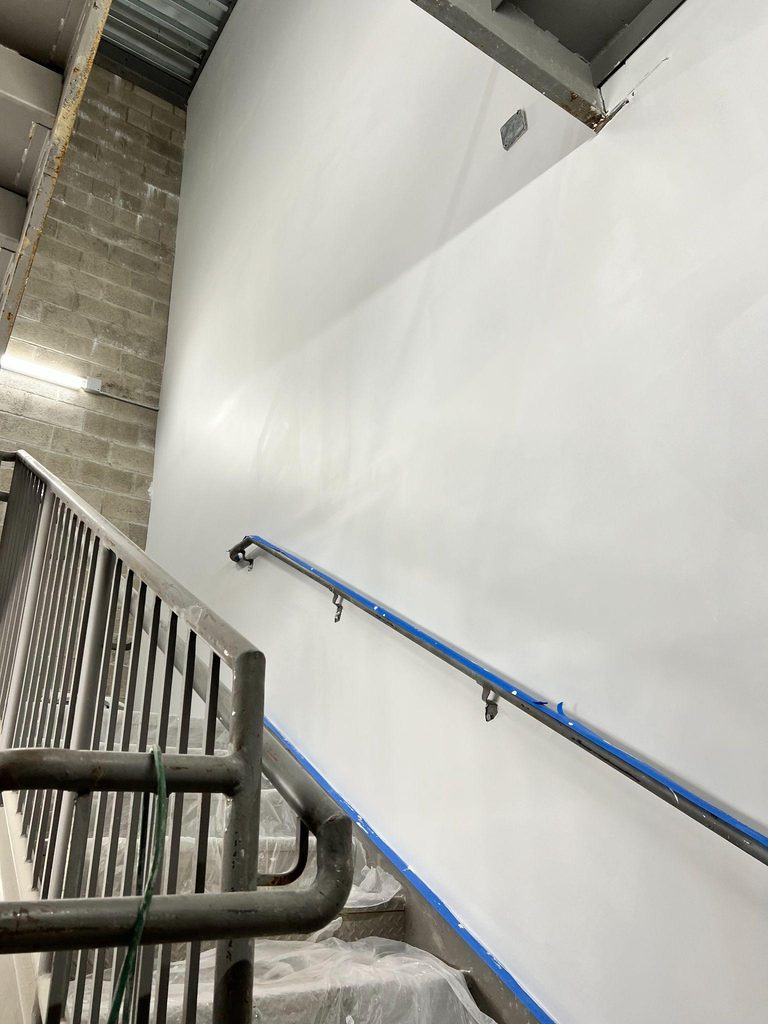
needed to create a clean, smooth foundation for painting. Walls, doors, frames, floors, and staircase railings were all prepared based on their condition.
- Repairs & Priming: Cracks, holes, nail pops, and other imperfections were repaired with compound as part of the drywall repair process, sanded smooth, and primed before painting. Bare areas on the staircase railings received additional priming to ensure proper coverage.
- Painting: Walls, ceilings, floors, doors, frames, and staircase railings were finished with two coats of paint throughout various areas of the hotel, including corridors, staircases, and the 28th-floor hall. Specialty finishes can also include faux painting and decorative techniques.
- Floor Grout Replacement: In the Owner’s Lounge and Business Center, existing grout was removed to make room for new epoxy grout. The floors were cleaned and thoroughly dried before the epoxy was applied, cured, and trimmed for a clean finish.
- Staircase Safety Details: Glow-in-the-dark safety strips were installed on the staircases as part of the project.
- Daily Cleanup: With work taking place in an active hotel, keeping spaces clean and organized was essential. The team completed daily cleanup to help ensure areas were ready for guests each morning.
Related prep services can also include wallpaper removal when existing wall coverings need to come off before painting. In older Manhattan buildings, surface prep may also require EPA Lead-Safe practices and specialized handling where lead paint or asbestos is present.
These areas represent just a portion of the work completed throughout the hotel, with additional spaces receiving the same level of preparation and attention to detail.
Final Thoughts
For a property like Hilton Grand Vacations, a successful paint job is measured by more than how the walls look when the work is done. It’s also measured by what guests never noticed: their stay went on as usual, and the staff kept the property running without interruption. By the end of the project, the Hilton Grand Vacations team was happy with the results and impressed by how smoothly the work was handled, without disrupting their guests or customers along the way. For commercial property managers in Manhattan, that’s often what matters most: a contractor who delivers a quality finish while protecting the experience guests expect.
Planning a refresh for your commercial property? Schedule a free consultation and let’s talk about getting it done around your schedule.