
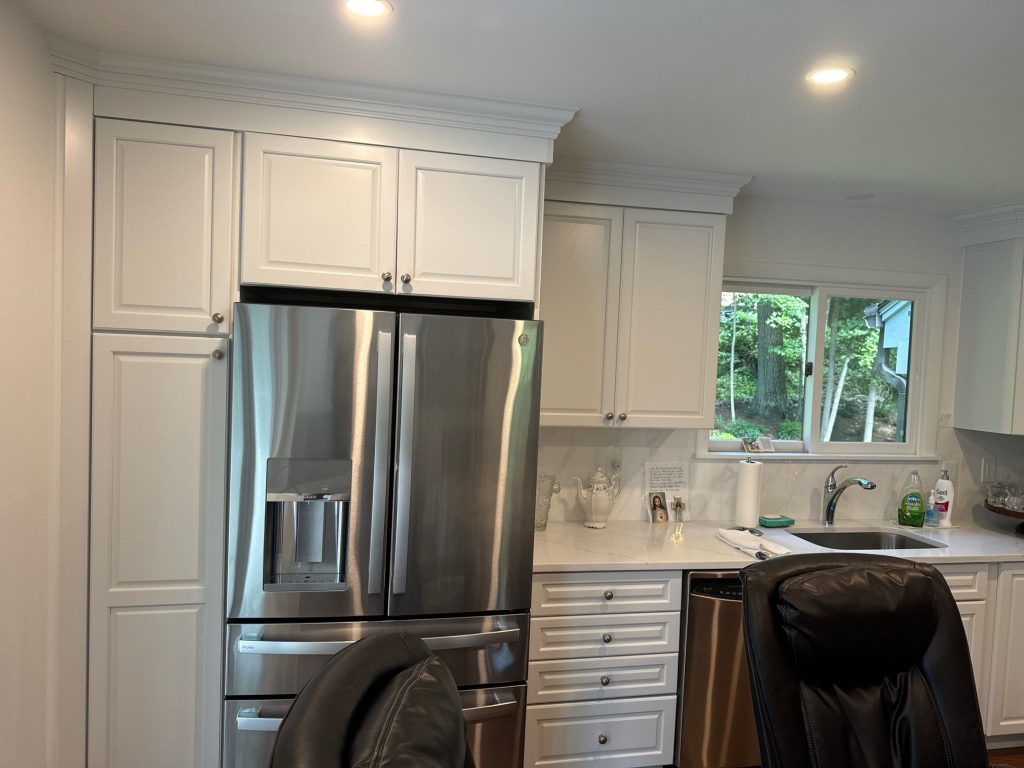
Cabinet Painting vs. Replacement: Which Is Better for Your Kitchen?
Choosing between cabinet painting and complete cabinet replacement is one of the most difficult decisions homeowners must make when remodeling their kitchen. Depending on your budget, design preferences, and the state of your cabinets, each solution offers pros and cons of its own. To assist you decide which option is ideal for your kitchen makeover, we’ll go over the benefits and drawbacks of cabinet painting versus replacement.
Understanding Your Options: You can choose to paint your existing cabinets, replace them entirely with new hardware, or refinish them. Cabinet refinishing involves refreshing the existing cabinetry through processes like sanding and painting, offering a cost-effective way to update your kitchen’s appearance without the high expenses associated with tearing out existing structures.
Understanding Your Options
When it comes to updating your kitchen cabinets, you have several options to consider. You can choose to paint your existing cabinets, replace them entirely, or refinish them. Each option has its pros and cons, and it’s essential to understand the differences before making a decision.
Painting your kitchen cabinets is a cost-effective way to update the look of your kitchen without replacing the existing cabinets. This option is ideal for those who want to maintain the original structure existing finish of their cabinets but want a fresh new look. However, painting cabinets can be a time-consuming process, and the results may vary depending on the quality of the paint and the surface preparation.
Replacing your kitchen cabinets is a more extensive and expensive option. This involves removing the existing cabinets and installing new ones. This option is ideal for those who want a completely new look and feel for their kitchen. However, it can be a costly and time-consuming process.
Refinishing your kitchen cabinets is another option that involves updating the existing cabinets by sanding and staining them. This option is ideal for those who want to maintain the original structure of their cabinets but want a new look. Refinishing cabinets can be a cost-effective option, but it requires a lot of elbow grease and patience.
The Case for Painting Kitchen Cabinets
1. Cost-Effective Solution
Painting your cabinets is often less expensive than replacing them completely. Cabinet refinishing is another cost-effective alternative, allowing you to update your kitchen’s appearance without the high expenses associated with tearing out existing structures. While new cabinets might cost anywhere from $10,000 to $30,000 or more, a professional paint job can cost anywhere from $3,000 to $8,000, depending on the size of all the cabinet doors in kitchen and the condition of the cabinets.
2. Quick and Efficient Process
Cabinet painting often takes a few days to a week, as opposed to weeks for complete cabinet replacement. Cabinet refacing, while more comprehensive, can also be completed relatively quickly compared to full replacement. This enables you to enjoy your renovated kitchen sooner and causes the least amount of inconvenience to your new life and daily schedule.
3. Eco-Friendly Choice
You can cut down on landfill garbage by painting your cabinets. You may revitalize fully functional cabinets and be ecologically conscious at the same time by giving them a new second coat of of paint instead of throwing them out.
4. Wide Range of Customization for Cabinet Doors
With almost infinite color options available for cabinet painting, both cabinet doors and cabinet frames can be customized to match your desired style. You may update the look of your kitchen without having to replace structurally sound cabinets. Additionally, for cabinet boxes, you can try other finishes like satin, matte, high-gloss, and semi-gloss.
5. Maintains the Layout of Existing Cabinets
Painting your cabinets is the perfect way to change your kitchen’s appearance while maintaining your favorite arrangement. A straightforward refresh is all that is required—no complicated installations or demolition.
Cabinet Painting Process
The cabinet painting process involves several steps that require attention to detail and patience. Here’s a step-by-step guide to help you understand the process:
- Prepare the Surface: Clean the cabinet boxes and surfaces thoroughly with a degreaser to remove dirt, grime, and grease. This ensures that the paint adheres properly.
- Sand the Surface: Sand the cabinet surfaces with a fine-grit sandpaper to smooth out the surface and create a better bond between the old finish and the new paint. This step is crucial for achieving a smooth finish.
- Prime the Surface: Apply a high-quality primer specifically designed for cabinets to create a smooth and even surface for painting. Priming helps the paint adhere better and provides a more durable finish of cabinet frames.
- Paint the Cabinets: Apply multiple thin coats of paint, following the wood grain, to achieve a durable and smooth finish. Using the best paint for cabinet surfaces will ensure a long-lasting result.
- Allow the Paint to Dry: Allow each coat to dry thoroughly before applying the next one. This prevents smudging and ensures a smoother finish.
- Finish with a Clear Coat: Apply a clear coat to protect the paint and give it a glossy finish. This step adds an extra layer of durability to your painted cabinet refinishing.
Design and Style Considerations for Painted Cabinets
When it comes to designing and styling your painted cabinets, there are several factors to consider. Here are some tips to help you get started:
- Choose a Color Scheme: Select a color scheme that complements the existing design elements in your kitchen, such as the countertops, flooring, and appliances. Neutral colors like white, gray, and navy blue are popular choices for a modern look.
- Consider the Style: Choose a style that fits your kitchen’s aesthetic, whether it’s modern, traditional, or rustic. The style of your painted cabinets should enhance the overall look of your kitchen.
- Think About the Hardware: Choose hardware that complements the style and color of your cabinets. The right hardware can make a significant difference in the overall appearance of your painted cabinets.
- Add a Decorative Touch: Consider adding a decorative touch, such as a glaze or a distressing technique, to give your cabinets a unique look. These techniques can add character and depth to your painted cabinets.
When Cabinet Refacing Is the Better Option
1. Structural Damage or Poor Condition
Painting might not be an option if your cabinets contain mold, warping, or severe wear and tear. Wood cabinets, in particular, may need replacement if they are significantly damaged. Replacing your cabinets guarantees that they will remain strong and useful for many years to come.
2. Changing the Kitchen Layout
Complete cabinet replacement is the preferable choice if you’re planning a complete kitchen remodel and need to rearrange the area. This enables you to add new features like an island or pantry, enhance productivity, and add storage.
3. Upgrading to Higher Quality Materials
Older cabinets composed of laminate or MDF could not paint properly. Bathroom cabinets, due to their exposure to moisture, and dust might also benefit from higher quality materials. Long-term value can be obtained by investing in new cabinets if you prefer solid wood or high-quality materials.
4. Increasing Home Value
New cabinets might be a great selling element if you intend to sell your house soon. New cabinets are frequently preferred by buyers over painted ones, particularly in upscale markets.
Cabinet Replacement Process
Replacing your kitchen cabinets involves several steps that require careful planning and execution. Here’s a step-by-step guide to help you understand the process:
- Measure the Space: Measure the space where the new cabinets will be installed to ensure a proper fit. Accurate measurements are crucial for a successful installation.
- Choose the Cabinets: Select the cabinets that fit your design and style preferences. Consider the material, color, and style that will best suit your kitchen.
- Remove the Old Cabinets: Remove the old cabinets and dispose of them properly. This step may require some demolition work, so be prepared for a bit of mess.
- Install the New Cabinets: Install the new cabinets, ensuring they are level and secure. Proper installation is key to the functionality and longevity of your new kitchen cabinets.
- Add the Finishing Touches: Add the finishing touches, such as hardware and decorative trim, to complete the look. These details can enhance the overall appearance of your new cabinets.
Comparing the Costs: Painting vs. Replacement
| Feature | Cabinet Painting | Cabinet Replacement |
|---|---|---|
| Cost | $3,000 – $8,000 (painting kitchen cabinets is a cost-effective option) | $10,000 – $30,000+ |
| Time Required | 3-7 days | 2-6 weeks |
| Customization | High (color choices) | High (materials, layout) |
| Eco-Friendly | Yes | No (more waste) |
| Structural Upgrade | No | Yes |
DIY vs. Professional
When it comes to painting or replacing your kitchen cabinets, you have the option to do it yourself or hire a professional. Here are some factors to consider:
- Time and Effort: Painting or replacing cabinets can be a time-consuming process that requires a lot of effort and patience. If you have a busy schedule, hiring a professional might be the better option.
- Skill Level: If you’re not comfortable with DIY projects or don’t have the necessary skills, it’s best to hire a professional. Professional cabinet painters and installers have the expertise to ensure a high-quality finish.
- Quality of Work: A professional can ensure a high-quality finish and proper installation. They have the tools and experience to achieve a smooth finish and durable result.
- Cost: Hiring a professional can be more expensive than doing it yourself, but it can also ensure a better result. Consider your budget and the value of a professional finish when making your decision.
Ultimately, the decision to DIY or hire a professional depends on your comfort level, skill level, and budget. Whether you choose to paint kitchen cabinets yourself or hire a professional, the goal is to achieve a beautiful and functional kitchen that meets your needs.
How to Decide: Questions to Ask Yourself
Ask yourself the following questions before deciding between cabinet painting and replacement:
Do my cabinets have a solid structure? If so, painting is a fantastic choice.
Do I like the way my kitchen is set up right now? If not, a replacement might be preferable.
Do I wish to reduce my expenses? Painting a cabinet is the more economical option.
Is a long-term investment what I want? Longevity and increased resale value are provided via replacement.
Tips for a Successful Cabinet Painting Project
Here are some crucial pointers to get the finest results if you decide to do cabinet painting.
Select high-quality latex paint only: the most durable paints are oil-based or acrylic.
Make sure the surface is ready: Before painting, prime, sand, and clean your cabinets. Remove all the doors and drawer faces to ensure thorough preparation, including cleaning, prep, sanding, and smoothing the surfaces for optimal painting results.
Employ experts: A talented painter will provide a uniform, smooth finish free of any brush marks, traces and streaks.
Think about the color palette of most recent trends: For modern kitchens, neutral colors like white, gray, and navy blue are popular.
Conclusion
There are benefits to both cabinet painting and replacement. Painting is a great option if you have sturdy cabinets, are on a tight budget, and want a rapid update. However, replacement can be a preferable option if you need to change the layout, have old paint, desire better materials, or have badly damaged cabinets.
Still not sure? For a free consultation and assistance in choosing the best option for your kitchen renovation, get in touch with CET Painting right now!
Give us a call at (914) 615-1415.
Check Out Our Website: Serving the counties of Westchester, Nassau, Putnam, and Rockland, CET Painting 📍